





























After a positive start to the Trump presidency at inauguration time, stock markets have fallen dramatically in response to events in the US. How should investors respond?
US stock market volatility under Trump
It all started so well! Immediately after Trump took office back in January 2025, stock markets reflected confidence in the markets with gains in January hitting a peak in mid-February and Bitcoin soaring as the new president was inaugurated.
However, stocks have taken a dive over the last few weeks, hitting a low last week.
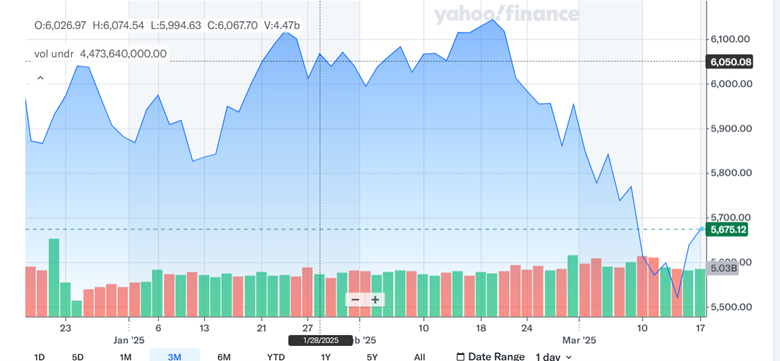
The shock and awe approach of the president has spooked stock market and crypto investors alike. Bitcoin plunged from $106,000 in January to $83,000, as I write.
All three major stock indexes – the S&P 500, Nasdaq, and the Dow Jones – are currently reflecting a loss of consumer confidence and fears over inflation. As ever, the markets are responding negatively to uncertainty and there’s no shortage of that right now with a trade war raging, the threat of the war in Ukraine escalating and Trump’s foreign policy proving unpredictable.
During Trump’s first presidency, there were periods of volatility, in particular as a result of the trade war with China in 2018 and Covid. Nevertheless, overall stocks rose significantly in the period from January 2017 to 2021. It remains to be seen if the current trough is just a blip or whether it signifies the start of a bear market characterised by falling share prices, a lack of investor confidence and a weakened economy. Even if that happens, don’t forget that stock markets are cyclical and this is a natural part of the cycle.
Should I sell my stocks?
Whenever billions are wiped off equity markets, investors inevitably panic, rushing to shift their money into less volatile assets. However, our managing director, Trevor Keidan,
issued a word of caution this week for clients worried about their investments: ‘Whilst we understand that in times of volatility remaining invested and fighting the urge to liquidate can be a real battle for investors, time and time again it has been proven that waiting out the volatility in the markets is the best thing to do, avoiding any knee-jerk reactions. We encourage all our clients to have an open dialogue with their consultant, especially in troubled times when arguably it is most important.’
Why stay invested when stocks are falling? Move out, miss out.
One of the reasons why investors should weather the storm in a falling market is the well-known phenomenon of markets tending to perform at their best immediately following a significant market downturn.
This makes timing the markets a risky game. Even if you succeed in selling at the exact moment prior to stocks hitting rock bottom, which is extremely difficult to do, you then have to perfectly time your re-entry into the markets to benefit from the inevitable upswing. Getting it right once is hard, getting it right twice is almost impossible. And being excluded from the upswing can have a significant impact on the long-term performance of your portfolio.
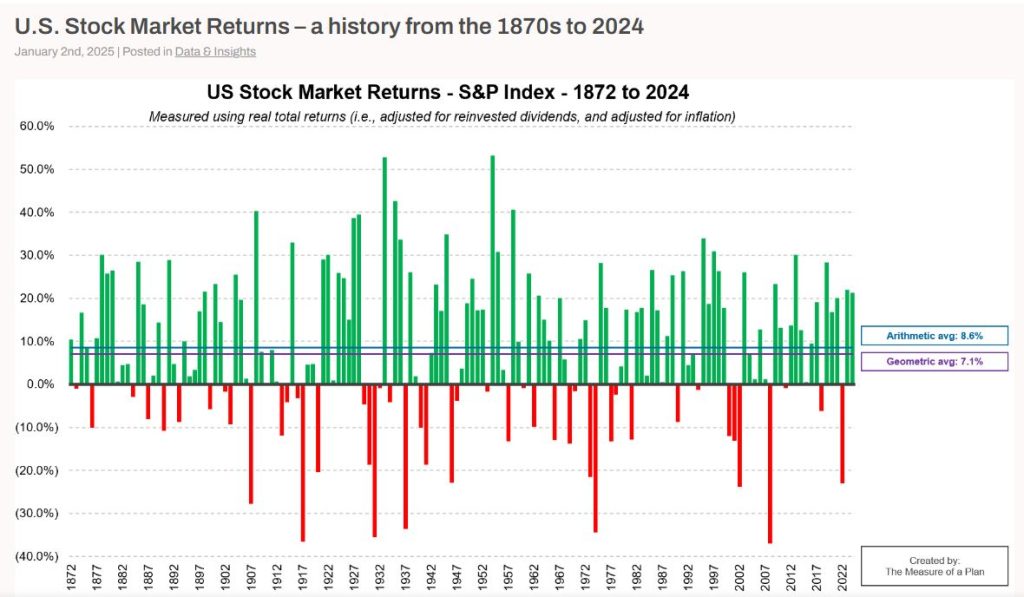
For the majority of investors, the solution is to stay invested and ride out the rollercoaster. It’s worth pointing out that over any 20-year period in its history, the stock market has never declined. History tells us that staying invested over the long term delivers a capital gain.
 Talk to your adviser
If you have any concerns about your portfolio in light of the current geopolitical situation in the States, chat with your adviser. They will be able to help you make an informed decision on whether you need to take action to reduce equity exposure and protect against downside volatility or simply ride out this trough.

Managing Director
I can honestly say that my main driving force at Infinity is a fundamental belief that good financial planning makes people’s lives better. People working abroad really do have an enviable opportunity to make a huge success of their lives, and making good financial decisions is essential…as well as working damn hard!


