



























In December Infinity hosted a seminar in which Gareth Lewis, Managing Director of Investment Strategy at Tilney assessed the tumultuous year that was 2020 and looked forward to 2021 and what the twelve months to come might have in store for investors.
These are interesting times for sure, with a shifting investment landscape due not only to the unprecedented global situation caused by Covid-19 but also a new lefter-leaning US administration which campaigned on a promise to support the middle class. With so much uncertainty about the future, we are likely to be in for a bumpy ride for some time to come. With stock market prices at similar levels to those seen before the dot com bubble burst in 2000, some market commentators are even predicting a crash.
There are a few points to highlight when you next review your financial plan with your financial adviser to ensure that your portfolio is adapted to this evolving economic landscape. Here are five questions to ask:
Are you sufficiently protected against inflation?
Inflation isn’t called the silent thief for nothing. If the return on your investments is not outpacing inflation, their value in real terms is falling. We’ve got used to inflation rates being low but there seems to be a general consensus that inflation may soon be on the up. The key to dealing with this is to look carefully at your asset allocation – the breakdown of your portfolio into the different asset classes, principally shares and bonds. This begs the question….
Does the equity:bond ratio in your portfolio need to change?
Traditionally, bonds have been seen as a way to reduce the volatility of a portfolio. However, with inflation predicted to rise, bonds are no longer the low risk asset they were.
This poses a problem for investors as the options for protecting capital in real terms are very limited. This is definitely something to discuss with your financial adviser. Obviously all investment comes with risk but diversification can mitigate that risk so you should look at the diversification of your stocks in terms of sector and geography.
Do you need to diversify further?
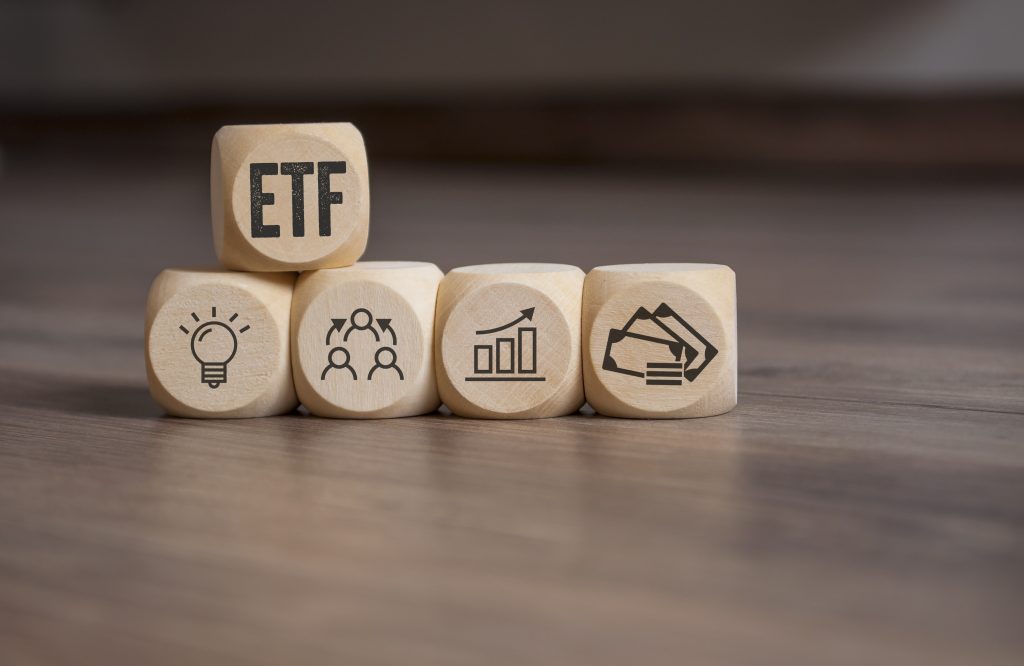
Commodities and real estate are other asset classes which you may wish to bring into the mix, if you haven’t already. Some people consider gold to offer good protection against inflation – it is a physical asset which generally holds its value if other assets are struggling. Other commodities include other precious metals, grain and oil. Exchange-traded funds (ETFs) are one way of investing in commodities. Similarly, you don’t have to buy a property to invest in real estate.
Should you go green?
Socially responsible investing is having a moment and ESG funds (those which adhere to strict environmental, social and governance criteria) are performing well right now. If you want your investment strategy to give you a financial return and a warm glow, now could be the time to switch to more ethical funds. You can read more about green investing here.
Are you overinvested in tech?
There’s no doubt that 2020 was a bumper year for tech companies. As our reliance on tech accelerated as a result of the pandemic the value of tech stocks soared. Perhaps you jumped on the bandwagon and invested. While in some cases the high valuations may be justified by impressive numbers – it seems unlikely that Microsoft is going to tank in the near future, for example – others are based on hype which has led to warnings of the bubble bursting. You’d be wise to ensure that you are not overinvested in tech and that you invest in shares whose value is backed by solid performance.
Finding the right balance of assets and ensuring that your portfolio is robust enough to survive the ups and downs that 2021 promises is not going to be easy. Having a qualified financial adviser to help you with your financial planning is always a good idea but especially so in the current climate. If you don’t already have one, we can help!

A leading provider of expat financial services and wealth management services across Asia.


