





























Discover the art of maintaining emotional balance during this challenging time
The Covid-19 pandemic has required us all to dig deep to find emotional resilience to deal with a new reality and often challenging situations. Many expats in Asia and elsewhere have been disproportionately impacted by the pandemic, with many excluded from their newly adopted homes and having to quarantine far from family and friends, deal with visa issues and fork out for flights which cost five times their normal price. It is unsurprising that anxiety levels have skyrocketed.
In our webinar on cultivating emotional resilience earlier this summer, Mette Pausgaard, a professional coach and Founder and CEO of Mimir Global, gave us an insight into how our brain deals with stressful situations and how understanding this can help us to find the emotional resilience to bounce back. Andy Chong, one of Infinity’s Financial Consultants based in Kuala Lumpur, also gave some top tips on how to apply Mette’s advice to financial planning. Here are the highlights from the webinar (which you can also listen to in full here).
What is resilience?
‘Resilience is accepting your new reality, even if it is less good than the one you had before. You can fight it, you can do nothing but scream about what you’ve lost, or you can accept that and try to put together something that’s good.’ – Elizabeth Edwards –
So how can we come to terms with the life plans we have put in place being thrown into chaos by the fact that the landscape around us changed almost overnight due to Covid? And how can we best handle the turbulent emotions that we are experiencing during this tough time in order to move forward?
The science behind emotional resilience
A bit of basic science is useful in helping us to understand how our brains work. Our brains function a little like a computer – they receive information, process it and react accordingly. But there are two conflicting parts of the brain which deal with the process.


The reptilian brain – referred to by Mette as the dinosaur – reacts first. The dinosaur is an emotional beast and bases decisions on instinct, sending chemicals through the body in response to perceived danger in order to trigger a fight, fright or freeze response. This may have been helpful when we were cavemen but isn’t always appropriate in modern-day life. When the dinosaur dominates, the logical brain – or owl – ‘flies away’ and is unable to bring rationality to our decisions.
You’ve probably heard of Maslow’s hierarchy of needs, illustrated below:
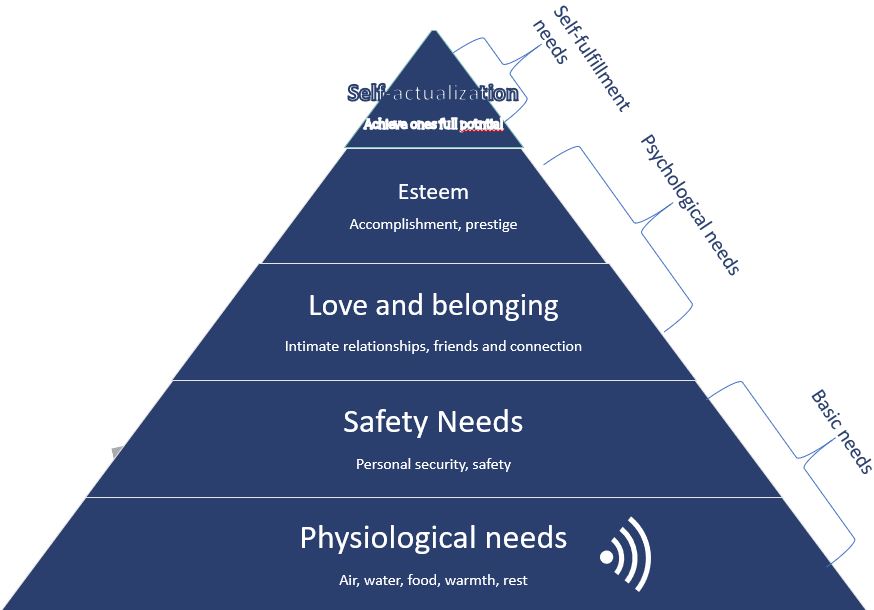
The dinosaur is intent on securing the basic needs at the bottom of the pyramid and to do that it often makes decisions based on unreliable emotions and illogical thinking. During the Covid-19 crisis our dinosaurs, sensing threat, have been roaring loadly, drowning out the owls, and causing irrational behaviours – such as fighting over toilet paper!
To be emotionally resilient we need to nurture our logical owls in order to tame our illogical dinosaurs.
Taming your dinosaur and nurturing your owl – five ways to cultivate emotional resilience
Mette outlined five practical ways to alter our stories and internal dialogues to tame our dinosaurs, nurture our owls and change negative emotional behaviour.
- Practice mindfulness
The key to this is breathing. When our systems feel under threat our breathing becomes shallow as our bodies turn to the caveman reflex and prepare for fight or flight. Slowing our breathing sends a signal to our nervous system that we are not under threat and everything is ok, calming it down. Try counting backwards from nine to one or counting in a different language as you inhale to distract your dinosaur and allow the owl to communicate with your brain.
- Cultivate gratitude
Focussing on the things that you are grateful for helps to re-programme the internal story running in your head and brings you back to the moment you are in, signalling to the dinosaur that everything is ok. It could be gratitude for something as simple as a beautiful sunset or a cup of tea.
- Tend to your emotional hygiene
Physical hygiene has taken centre stage this year with all the advice on handwashing, mask wearing and social distancing to try to control the spread of the virus. Less has been said about the power we have to control our moods by focussing on our emotional hygiene. When moving from one environment to another, spend 20 seconds to stop and reset your emotional state, consciously leaving behind negative emotions caused by previous events such as your journey to work, conversations with colleagues etc.
- Focus on what is inside your control
Trying to control something that is not within your power will only enrage your dinosaur, raise your cortisol levels and cause you stress. Focus on what you CAN control, taking small steps towards where you want to go. If you remain agile and adaptable you will progress towards your goals and this will make your dinosaur happy and comfortable.
- Be kind to yourself and others
Try to cut out the negativity around you and focus on productivity, surrounding yourself with people who will support you and giving support to them in return. Reassure yourself that it’s ok to fail today – you can try again tomorrow. If the news is having a negative effect on you emotionally, as it has many of us, limit your exposure to it.
The link between emotional resilience and financial planning may seem tenuous but in actual fact the two are closely linked. When emotional resilience is lacking it affects our judgement and our ability to make sound decisions. In part two of this series of posts Andy Chong talks us through how Covid-19 has shaken emotional resilience for many people, triggering their dinosaurs and provoking some ill-advised financial decisions.
Read Andy’s thoughts on three common financial planning mistakes in response to Covid-19 here.

A leading provider of expat financial services and wealth management services across Asia.


